Interior Style

Japandi Interior Design

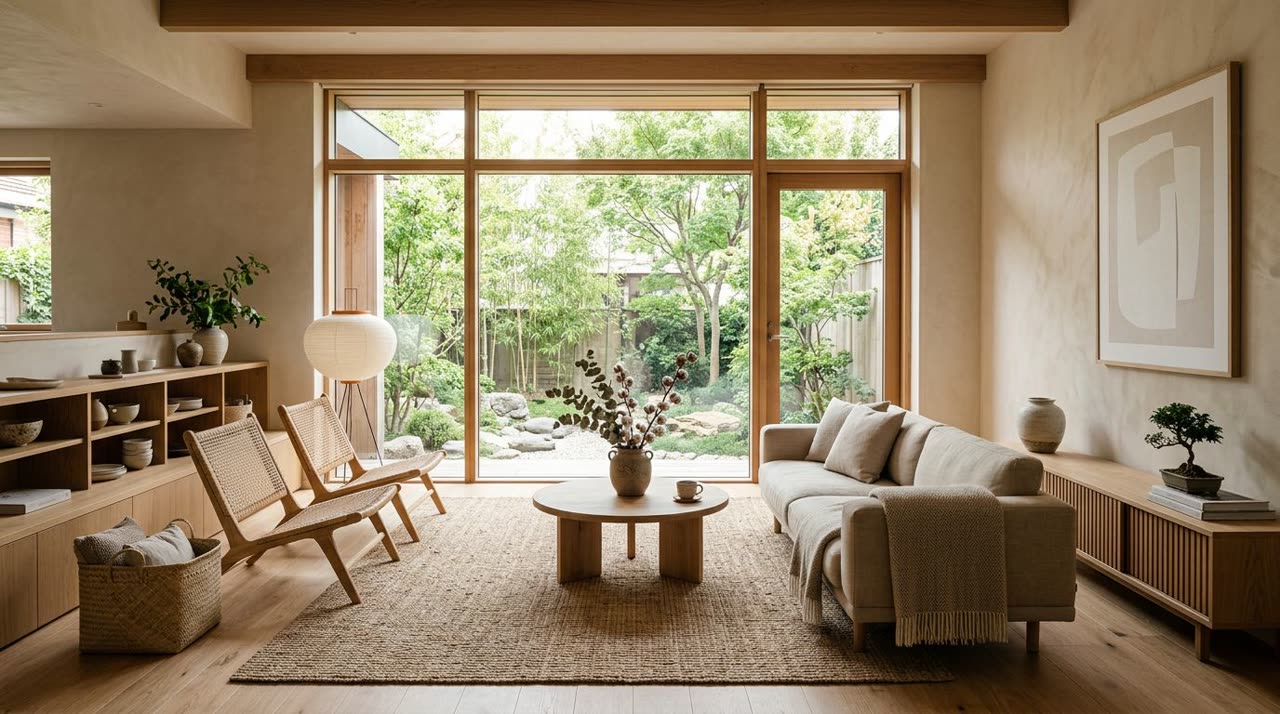
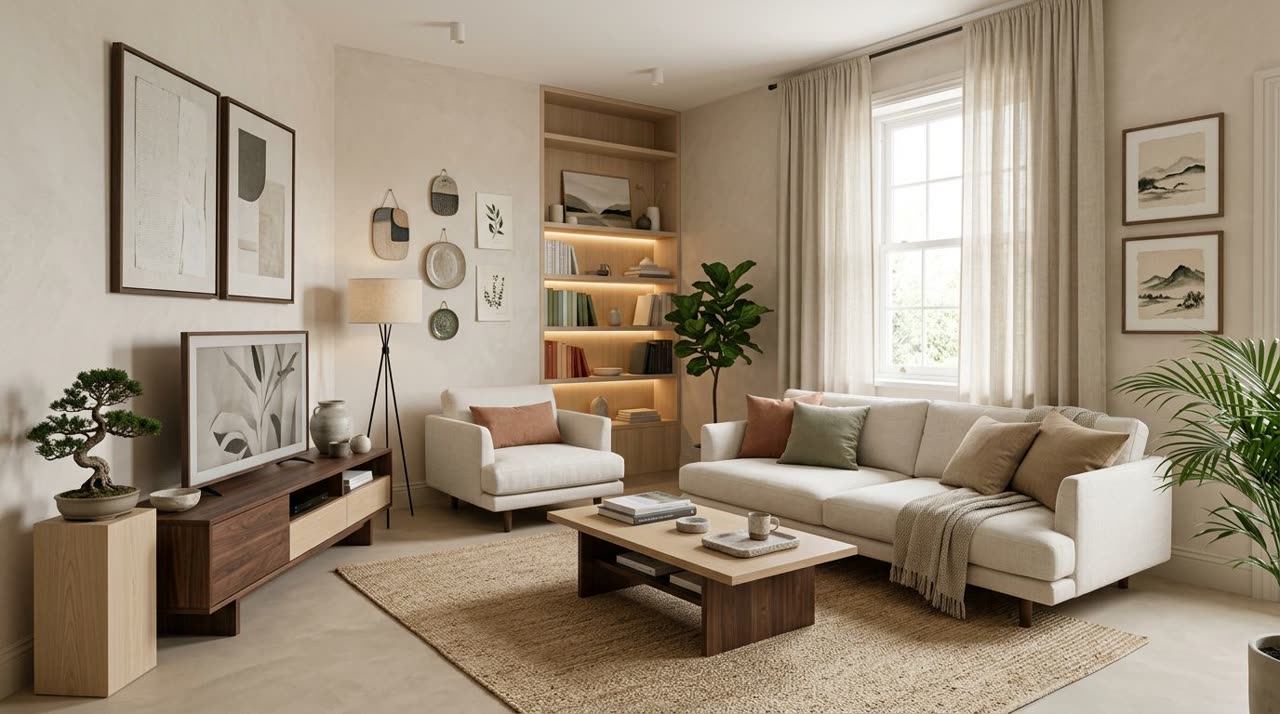
Japandi blends Japanese minimalism with Scandinavian warmth, pairing low furniture, muted earth tones, and natural materials for a calm, intentional home. Here is what defines the look, plus how to bring it to your own room with AI.
  • FeelCalm and intentional
  • PaletteMuted earthy neutrals
  • Best forSerene, simple homes

What Is Japandi Interior Design?

Japandi is a calm, warm minimalist style that fuses Japanese simplicity with Scandinavian function, built on natural materials, low furniture, and a quiet, muted palette.

It marries two philosophies: the Japanese idea of wabi-sabi, finding beauty in the simple and imperfect, and the Scandinavian love of cozy, practical living. The result is a clutter free home that still feels warm and human.

One thing to get right: Japandi is not cold minimalism. It keeps spaces pared back, but warms them with wood, handmade texture, and soft natural light so they feel serene, never stark.
Overall feel
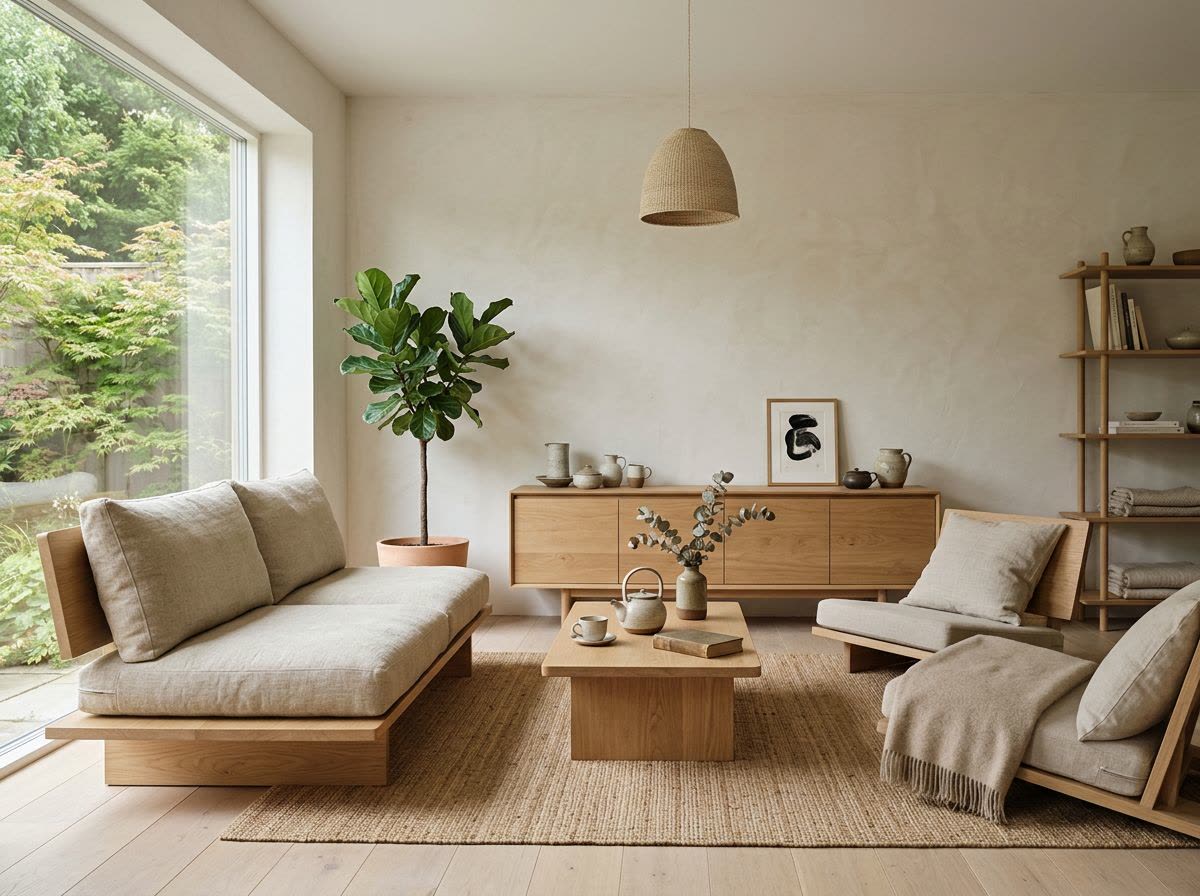
Calm, warm, minimal
Palette
Muted earthy neutrals
Materials
Wood, linen, bamboo, stone
Layout
Low, open, clutter free
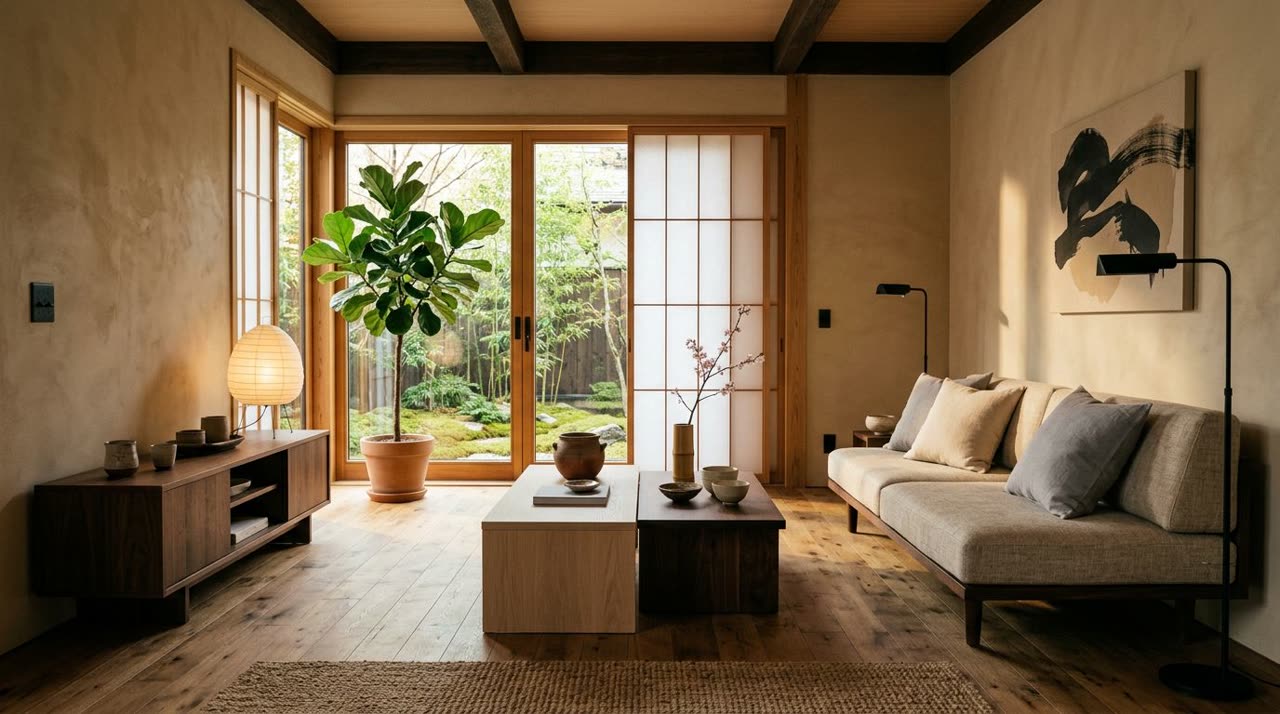
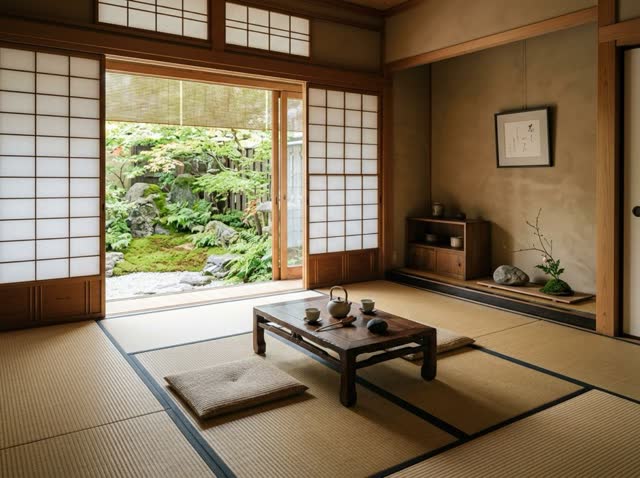
Japandi interior design example

The Origins of Japandi Design

A modern fusion with deep roots. Click through the influences that shaped it.

Japanese roots

Wabi-sabi and Zen

Japandi draws first from centuries of Japanese design, where wabi-sabi celebrates simplicity, imperfection, and natural materials, and Zen interiors prize calm, order, and empty space. Low furniture, craftsmanship, and a deep respect for nature all come from here.

See Real Japandi Redesigns

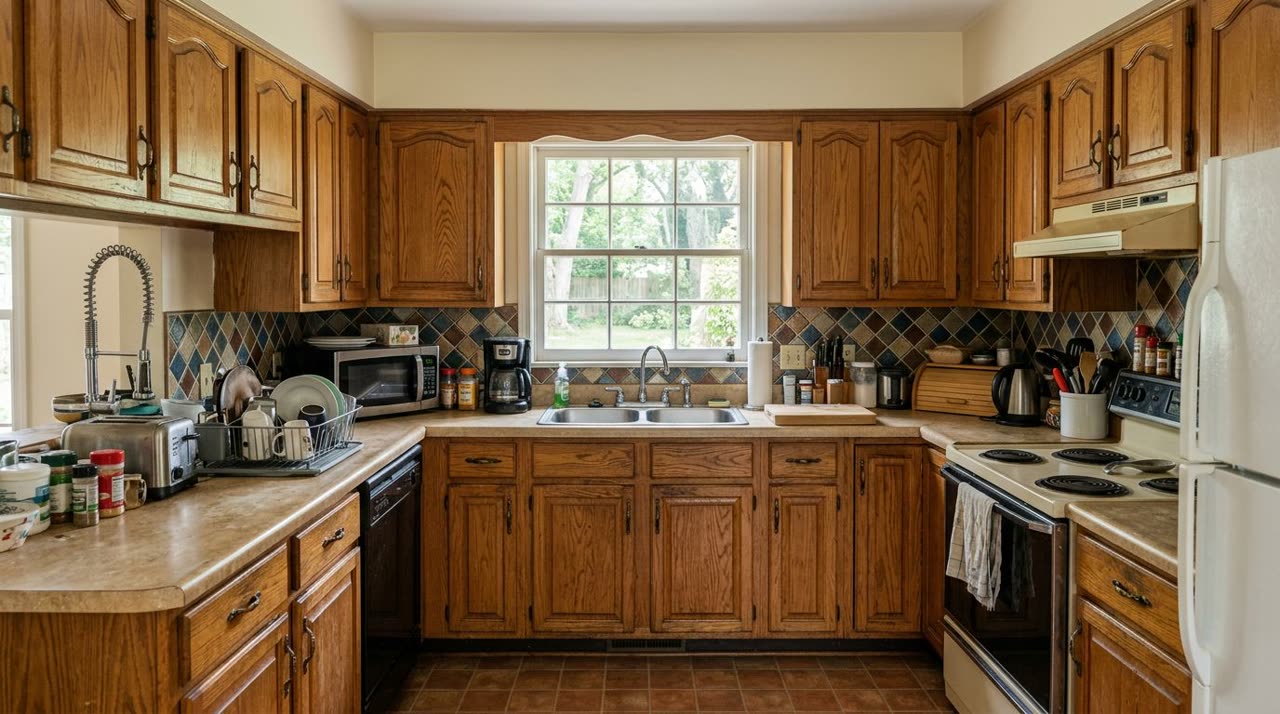
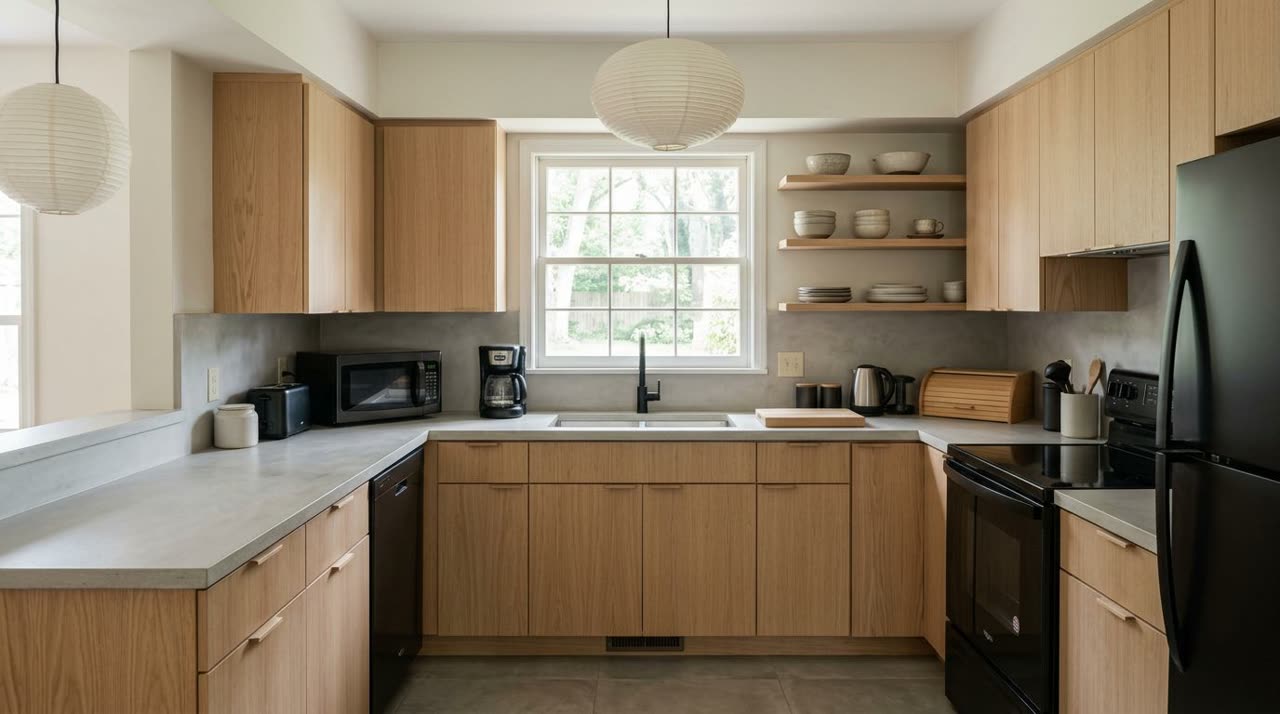
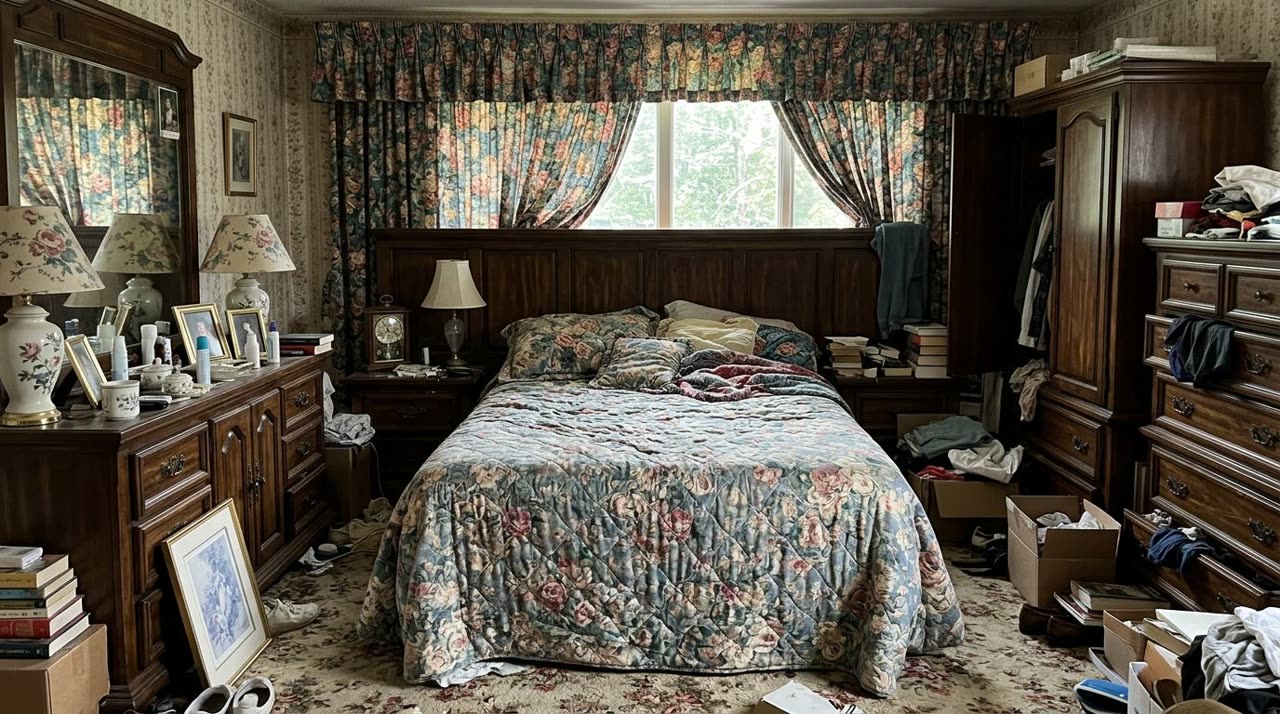
Drag any slider to watch a dated room restyled into a calm, warm Japandi space, generated on the original photo so the layout and furniture stay true.
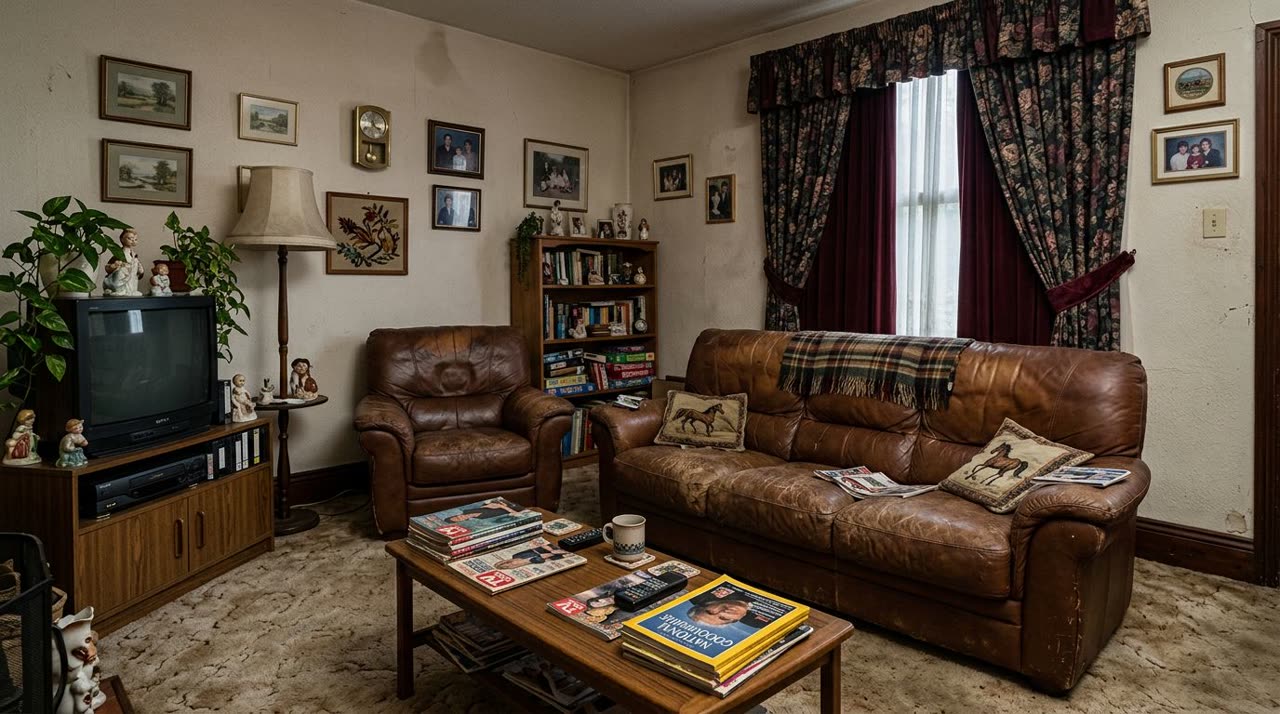
Living Room before japandi redesign
Living Room after japandi redesign
BeforeAfter
↔
Japandi Living Roomdrag to compare
Bedroom before japandi redesign
Bedroom after japandi redesign
BeforeAfter
↔
Japandi Bedroomdrag to compare
Kitchen before japandi redesign
Kitchen after japandi redesign
BeforeAfter
↔
Japandi Kitchendrag to compare
Redesign Your Own Room Free

Japandi vs Scandinavian: The Key Difference

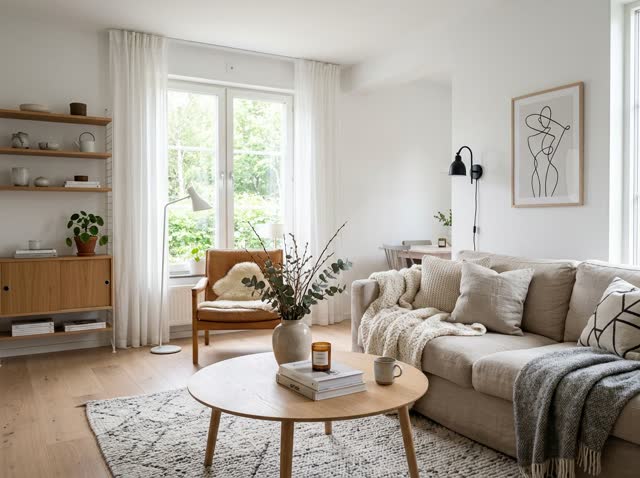
Japandi grew partly out of Scandinavian design, so they look related, but they feel different. Here is how they compare.
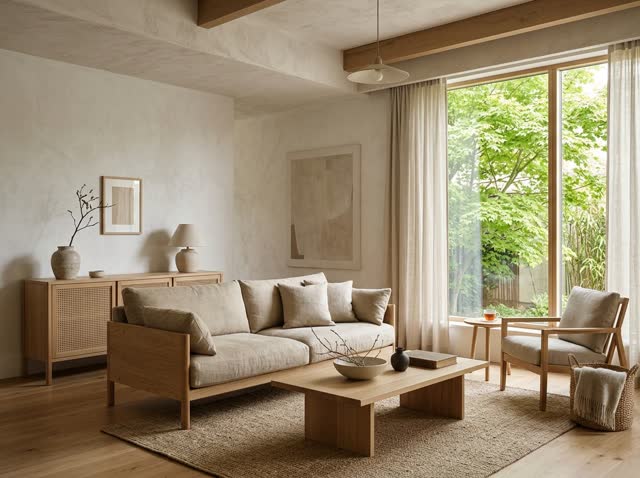
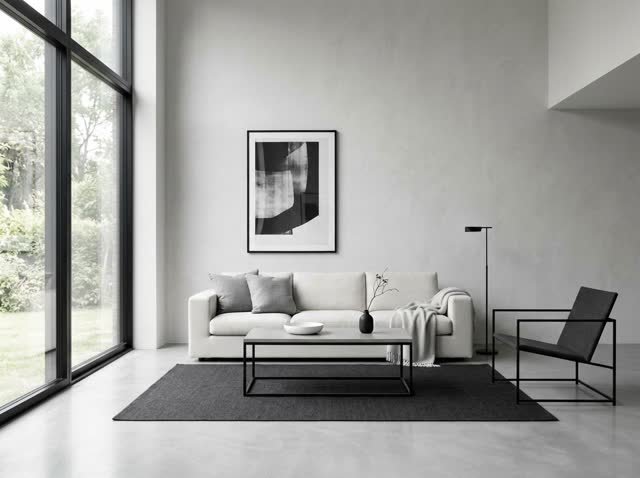
Japandi interior design example
Japandi: muted, grounded, minimal
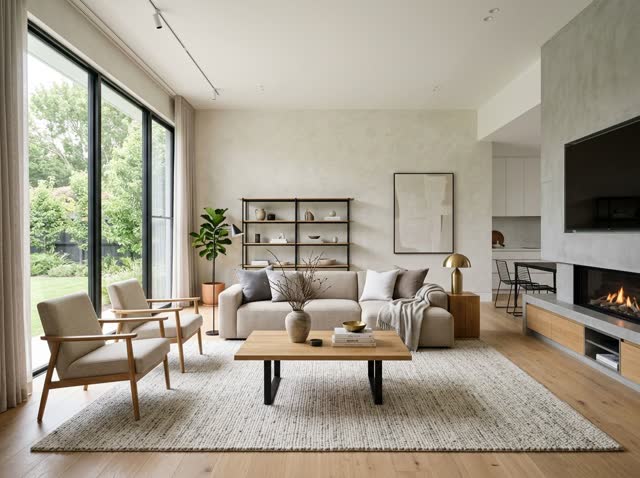
Scandinavian interior design example
Scandinavian: lighter, cozier, brighter
AttributeJapandiScandinavian
PaletteMuted earthy tones with black accentsCrisp white and soft grey with pastels
Wood tonesMixes light and dark woodsMostly pale, light woods
FeelingGrounded, serene, intentionalBright, airy, cozy
DecorVery pared back, wabi-sabiPared back but a touch more layered
InfluenceJapanese plus ScandinavianPurely Nordic

Compare Japandi With Any Style

Pick any interior, exterior, or garden style to see how it pairs with Japandi, whether you are mixing it into the same room or imagining how a whole home would feel.

    No styles match.

    Japandi interior
    Japandi
      0%
      Similarity
      style match
      Compatibility

        Key Characteristics of Japandi Design

        Six signatures show up again and again in a truly Japandi interior.

        Warm minimalism

        Warm minimalism

        Hover to read more

        Spaces are pared back and clutter free, but softened with wood and texture so they feel calm, not cold.

        Natural materials

        Natural materials

        Hover to read more

        Wood, bamboo, rattan, linen, paper, and stone appear throughout, chosen for honest texture and quality.

        Low, simple furniture

        Low, simple furniture

        Hover to read more

        Low profile pieces with clean lines and fine craftsmanship keep sight lines open and the mood grounded.

        A muted earthy palette

        A muted earthy palette

        Hover to read more

        Soft beiges, greys, clay, and sage are anchored by black accents and the natural tone of wood.

        Wabi-sabi imperfection

        Wabi-sabi imperfection

        Hover to read more

        Handmade ceramics, visible grain, and gently imperfect pieces give the room soul and warmth.
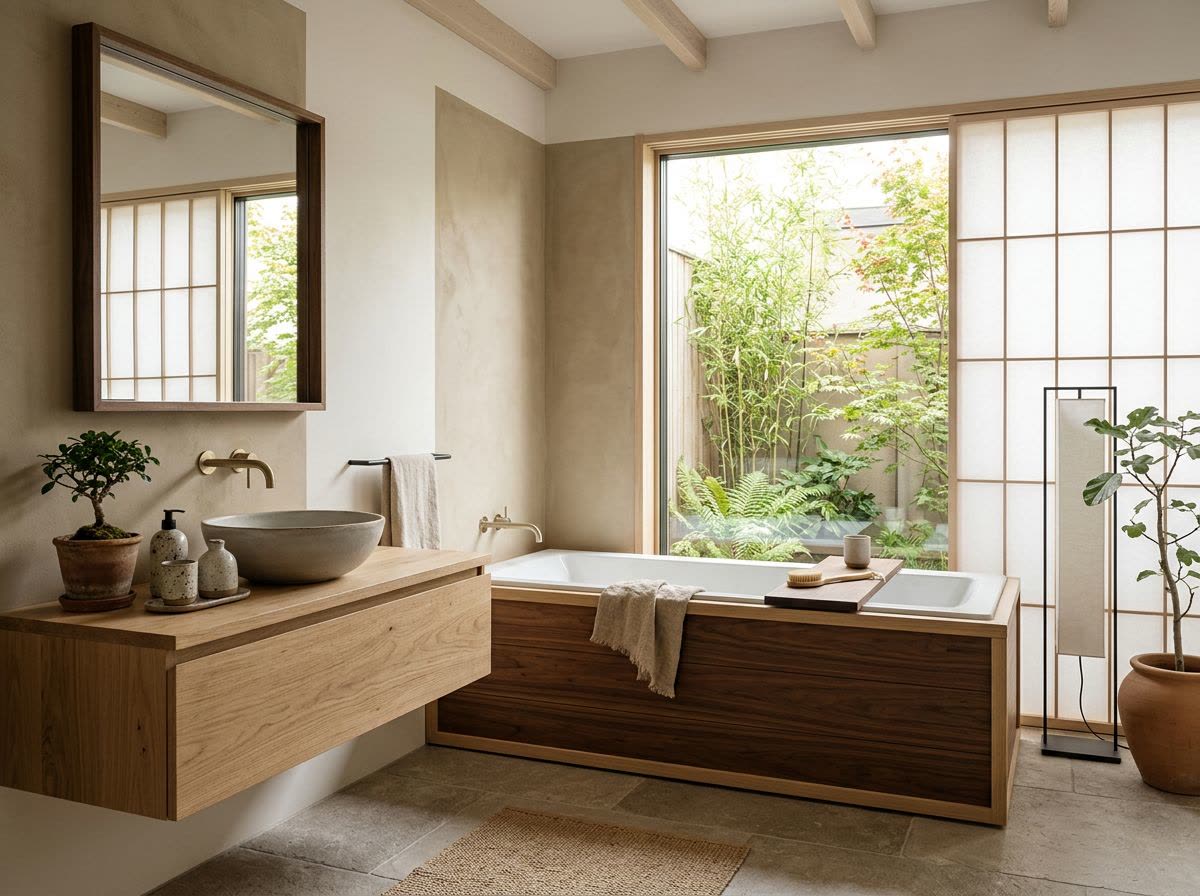
        Connection to nature

        Connection to nature

        Hover to read more

        Plants, natural light, and organic materials bring a quiet sense of the outdoors inside.

        The Japandi Color Palette

        Japandi leans on warm, muted earth tones, grounded by natural wood and sharpened with a little black.

        Warm Beige
        #E6DCCB
        Walls and large pieces
        Soft Grey
        #C7C3BC
        Textiles and upholstery
        Muted Sage
        #A7AE9C
        Accents and ceramics
        Clay
        #B79A86
        Pottery and warm touches
        Walnut
        #5C4632
        Dark wood and contrast
        Charcoal Black
        #262524
        Fine lines and accents

        Materials and Textures

        Japandi layers light and dark woods with handmade, natural textures for a calm, tactile feel. Hover a material to see it.

        Try Japandi on Your Own Space

        Upload a photo or pick a sample, and preview your room redesigned in Japandi style. Your first designs are free.

        4.8 out of 5200+ design styles
        ⚡ Try it free
        No photo handy? Try a sample:
        Room type
        Style
        Japandi

        AI result preview

        Pick a photo and a room, then hit generate.
        Your modern redesign appears here in seconds.

        Are you sure you want to logout?

        AI video
        The source photo the video was generated fromSource photo
        AI Video Generation

        Turn a Japandi room into a cinematic walkthrough

        Generate a Japandi redesign, then bring it to life. Feed the Video Generation tool a single still and it animates the space into smooth, shareable motion. The clip on the left started as the one photo beside it, no crew or filming.

        • Cinematic panA slow push across the room that shows off the calm, low layout.
        • Orbit revealSweep around a reading nook or a styled, plant filled corner.
        • Day to duskWatch soft daylight settle into a warm, serene evening.
        • Listing flythroughChain calm, minimal rooms into one tour buyers watch to the end.
        Open the Video Generation tool

        Furniture and Lighting

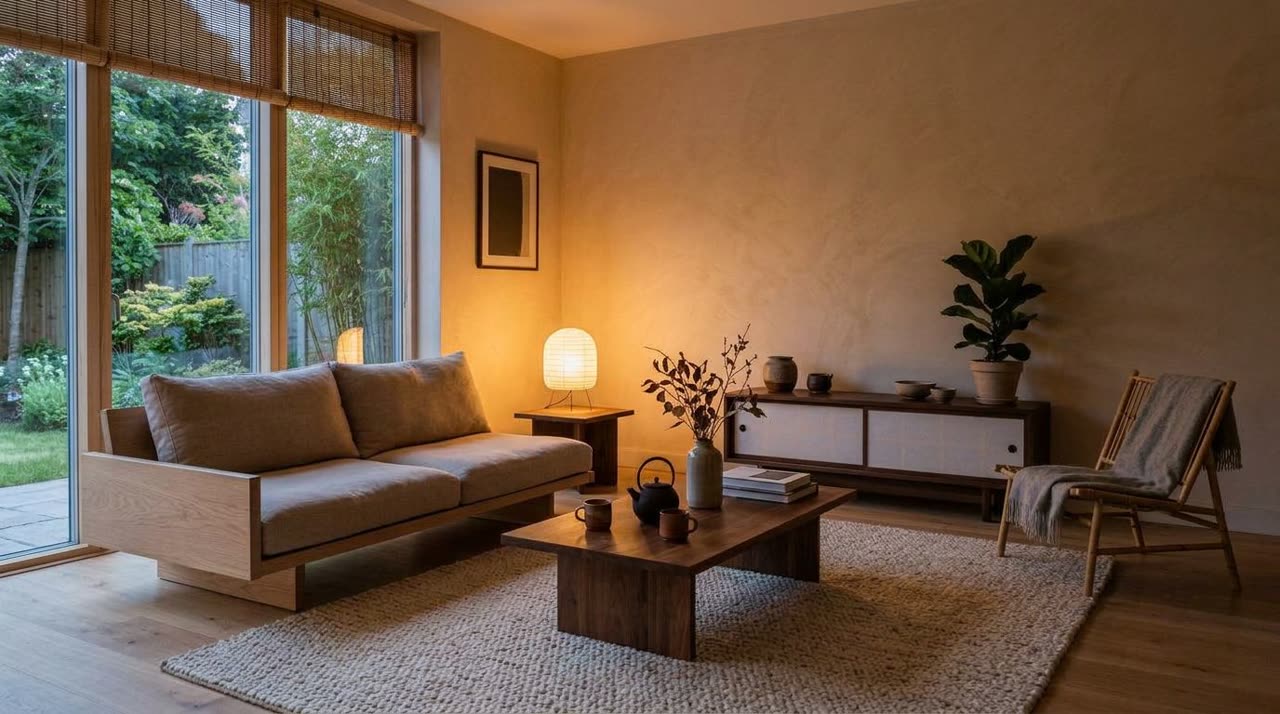
        Furniture is low, clean lined, and beautifully crafted, mixing pale Scandinavian woods with darker Japanese tones. Lighting is soft and layered, often in paper, rattan, or matte black, designed to glow gently rather than glare. Drag the slider to see the same room shift from daylight to a calm evening.
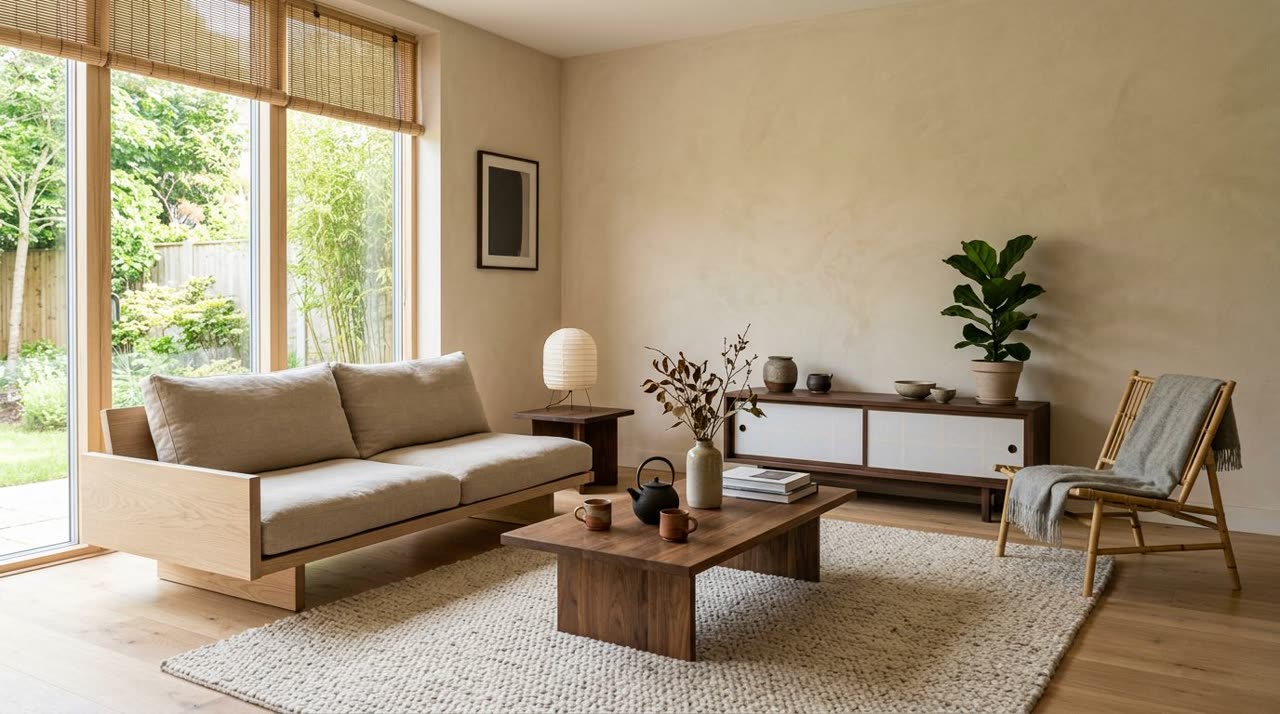
        Japandi room in daylight
        Japandi room in the evening with lighting on
        Daylight Evening
        ↔
        Soft daylight to calm evening glowdrag to compare the same room

        Japandi Design by Room

        The same calm, natural principles flex beautifully from the living room to the home office. Here is how Japandi translates space by space.

        Japandi Living Room exampleLiving RoomView details →

        Japandi Living Room

        Low natural wood furniture, linen seating, and a muted palette make a Japandi living room feel calm, warm, and uncluttered.

        Japandi Kitchen exampleKitchenView details →

        Japandi Kitchen

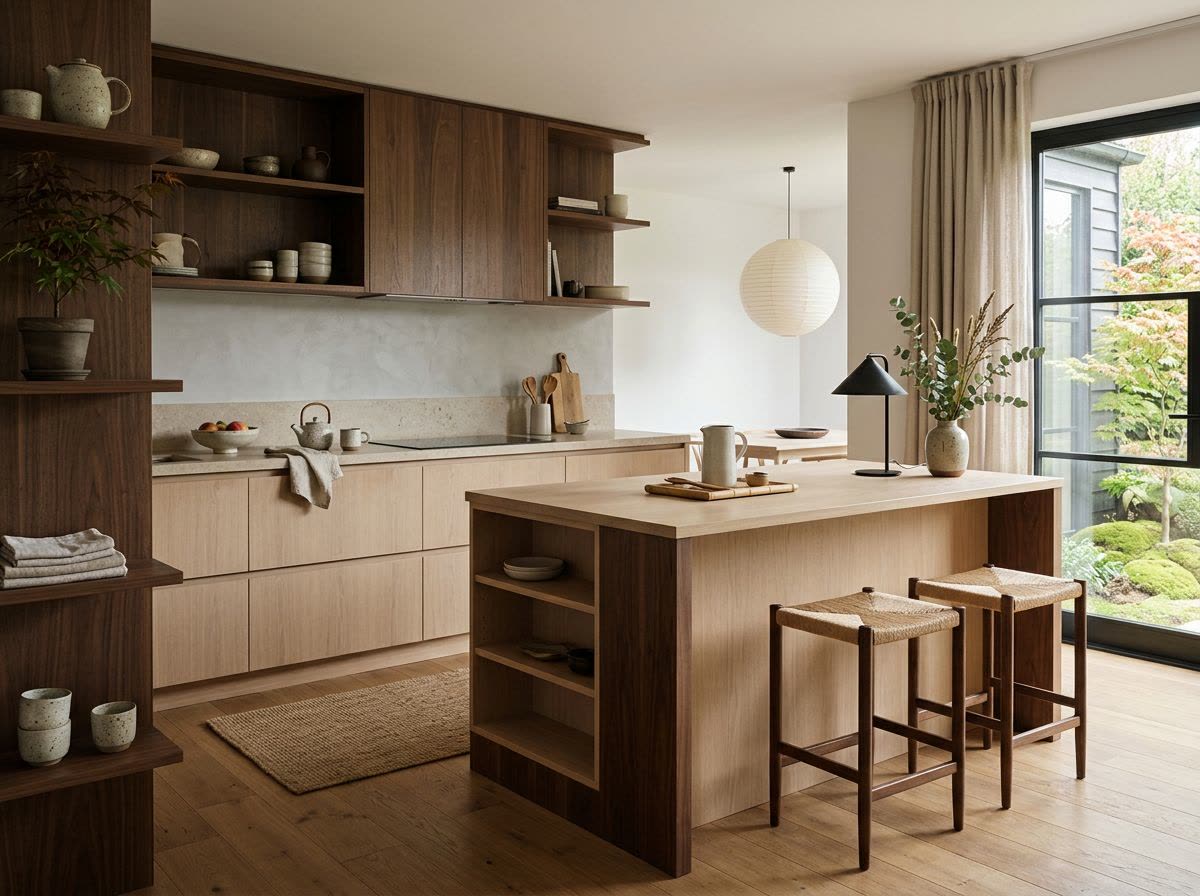
        Flat natural wood cabinets, stone counters, and handmade ceramics give a Japandi kitchen a quiet, functional warmth.

        Japandi Bedroom exampleBedroomView details →

        Japandi Bedroom

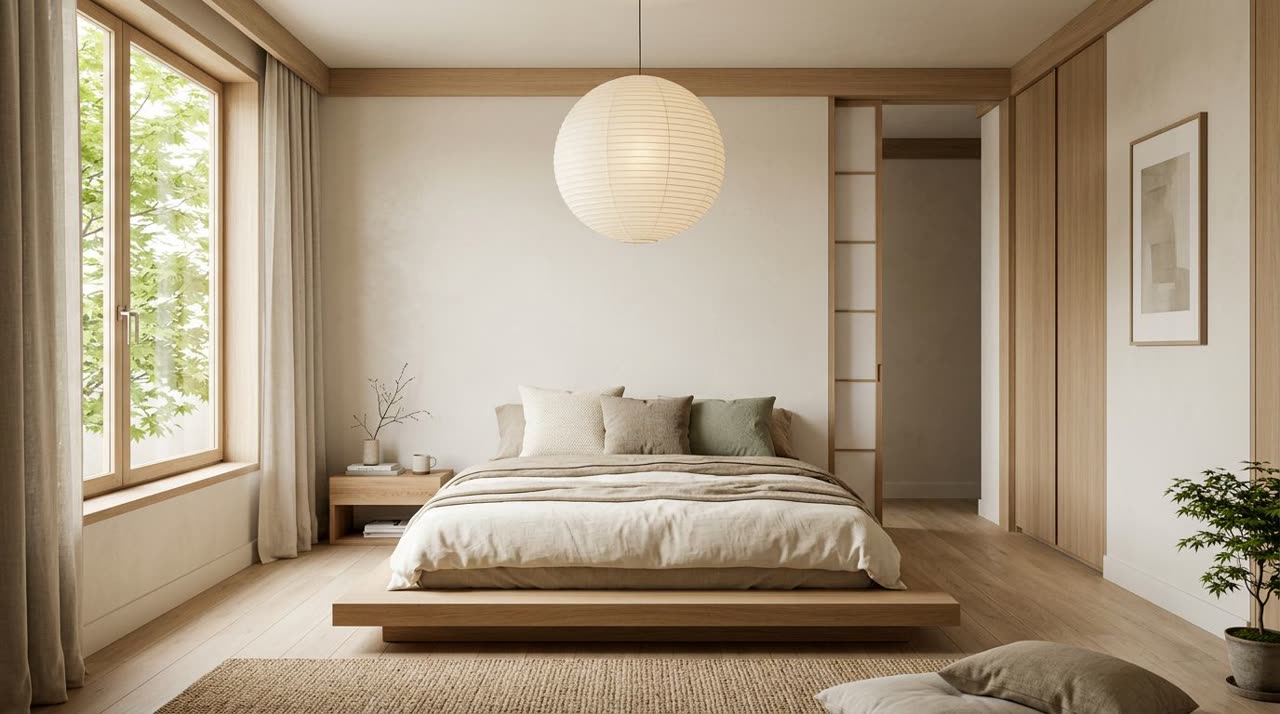
        A low platform bed, linen bedding, and a muted palette make a Japandi bedroom feel restful, grounded, and serene.

        Japandi Bathroom exampleBathroomView details →

        Japandi Bathroom

        Natural wood, matte stone, and simple fixtures give a Japandi bathroom a spa like, grounded calm.

        Japandi Dining Room exampleDining RoomView details →

        Japandi Dining Room

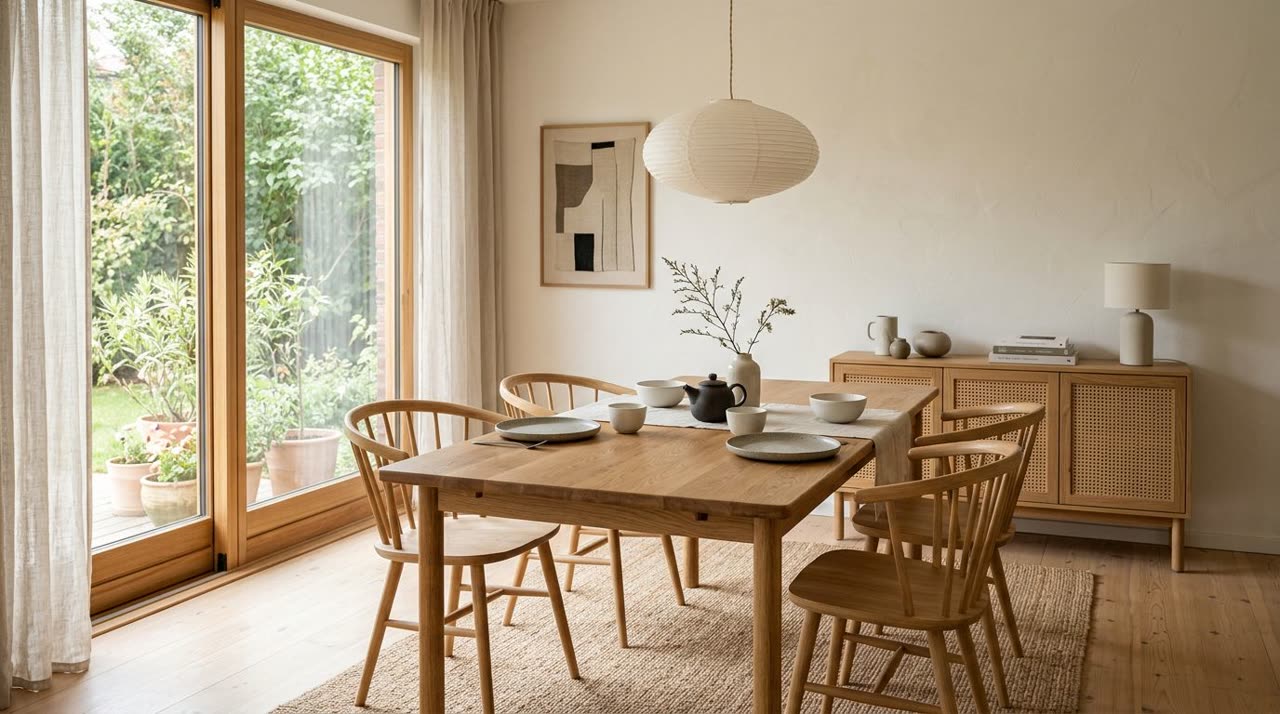
        A low wood table, simple craftsman chairs, and handmade ceramics turn the dining room into a calm Japandi gathering spot.
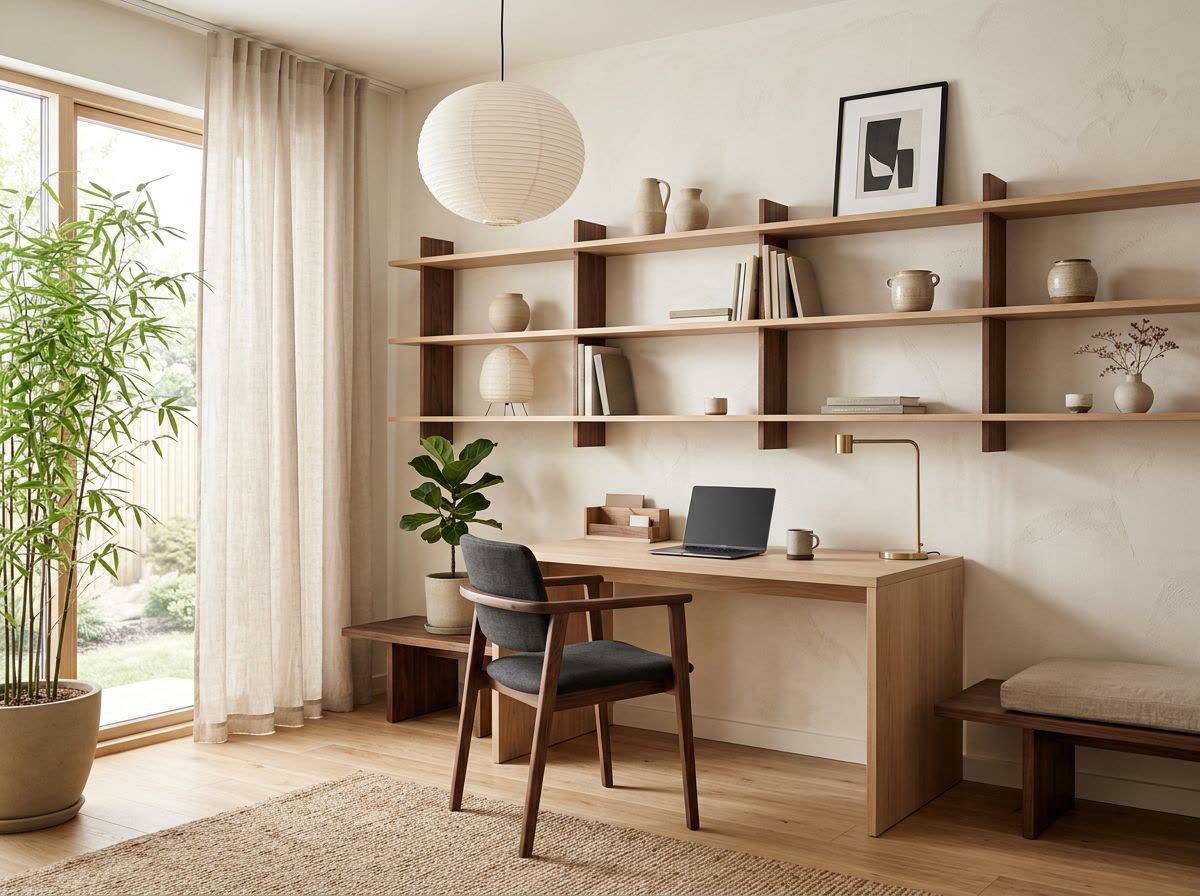
        Japandi Home Office exampleHome OfficeView details →

        Japandi Home Office

        A natural wood desk, a simple chair, and a clutter free layout create a calm, focused Japandi workspace.

        How to Get the Japandi Look

        Six steps to bring Japandi style to a room you already have. Click through each one.

        Pare it back
        1

        Pare it back

        Declutter first. Japandi starts with clear surfaces, open space, and only the pieces that earn their place.

        Try it on your space →
        Set a muted base
        2

        Set a muted base

        Paint walls in warm beige or soft grey and keep large pieces in the same calm, earthy tones.

        Try it on your space →
        Mix light and dark wood
        3

        Mix light and dark wood

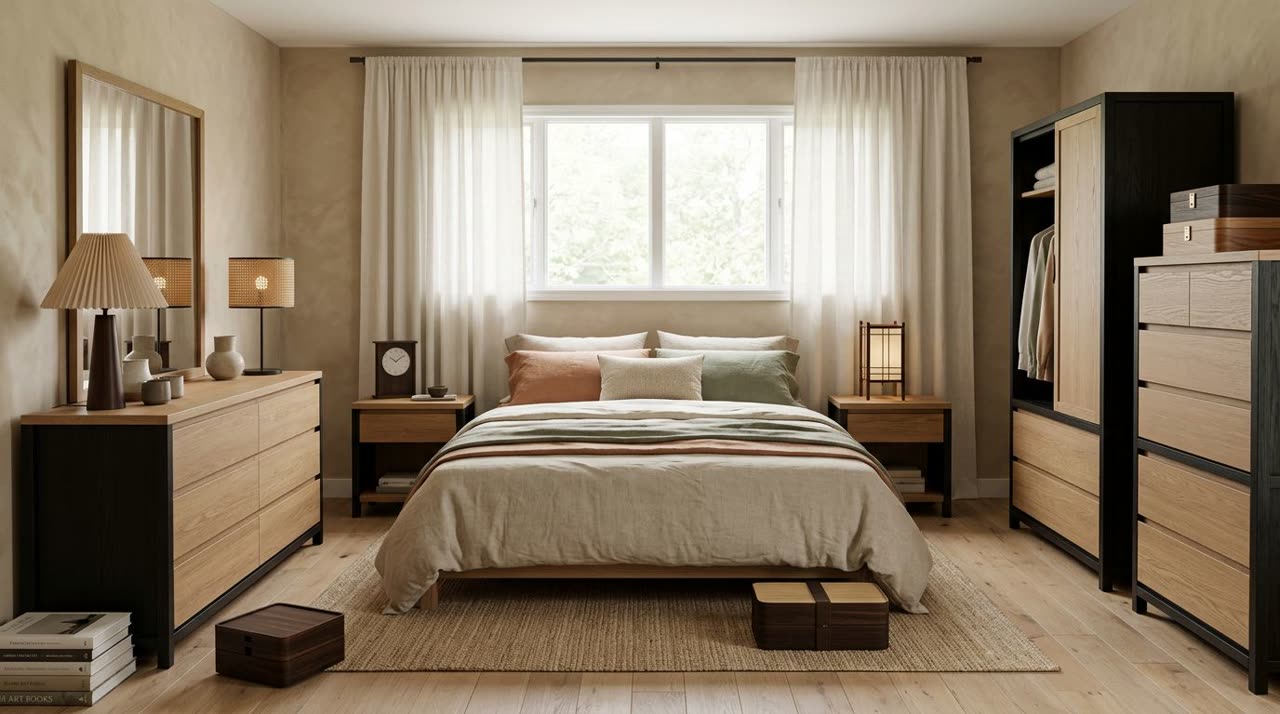
        Pair pale Scandinavian oak with darker Japanese walnut for balance and depth.

        Try it on your space →
        Choose low, crafted furniture
        4

        Choose low, crafted furniture

        Pick low profile, beautifully made pieces with clean lines and natural materials.

        Try it on your space →
        Add wabi-sabi texture
        5

        Add wabi-sabi texture

        Bring in handmade ceramics, linen, bamboo, and a few imperfect, characterful pieces.

        Try it on your space →
        Soften the lighting
        6

        Soften the lighting

        Layer warm, gentle light in paper, rattan, or matte black, and add plants for life.

        Try it on your space →

        Common Japandi Design Mistakes to Avoid

        The traps people fall into, and what to do instead. Hover any card for the fix.

        Making it cold and bare

        Strip too much away and the room feels empty, not serene.

        Do this instead: Warm it with wood, linen, and handmade texture so it feels calm and human.

        Hover for the fix →

        Skipping the wabi-sabi

        All perfect, matching pieces lose the soul of the style.

        Do this instead: Add handmade ceramics and gently imperfect, characterful objects.

        Hover for the fix →

        Using a bright or busy palette

        Bold colors break the calm, muted mood.

        Do this instead: Stick to soft earthy neutrals with black accents and natural wood.

        Hover for the fix →

        Only using one wood tone

        Matching every wood flattens the look.

        Do this instead: Mix pale Scandinavian and darker Japanese woods for depth and balance.

        Hover for the fix →

        Letting clutter return

        Open surfaces are central, and clutter undoes them fast.

        Do this instead: Use closed storage and keep only what you truly need on display.

        Hover for the fix →

        Harsh overhead lighting

        One bright ceiling light kills the serene feel.

        Do this instead: Layer soft, warm light in paper, rattan, or matte black fixtures.

        Hover for the fix →

        Japandi Interior Design FAQ

        What is Japandi interior design?+
        Japandi is a hybrid style that blends Japanese minimalism with Scandinavian function and warmth. It combines the Japanese love of simplicity, craftsmanship, and wabi-sabi with the Scandinavian focus on cozy, practical living. The result is a calm, clutter free home built on natural materials, low furniture, and a muted earthy palette that still feels warm and inviting.
        What is the difference between Japandi and Scandinavian design?+
        They are closely related, since Japandi grew partly from Scandinavian design, but the mood differs. Scandinavian leans lighter and cozier, with crisp whites, pale woods, and soft pastels. Japandi is more muted and grounded, mixing light and dark woods, using earthy tones with black accents, and leaning harder into minimalism and craftsmanship. Japandi feels a touch more serious and serene.
        What is the difference between Japandi and minimalist design?+
        Minimalism strips a space back to the bare essentials and can feel stark. Japandi shares that restraint but warms it up, layering in natural wood, handmade texture, and soft lighting so the room feels calm and human rather than empty. Japandi is minimalism with soul, guided by wabi-sabi and a love of natural materials.
        What is wabi-sabi?+
        Wabi-sabi is a Japanese philosophy that finds beauty in simplicity, imperfection, and the natural passage of time. In interiors it means embracing handmade ceramics, visible wood grain, natural textures, and gently imperfect pieces instead of mass produced perfection. It is the heart of Japandi and the reason the style feels warm and full of character despite its minimal palette.
        What colors are used in Japandi design?+
        The Japandi palette is built on warm, muted, earthy neutrals: soft beige, greige, clay, and muted sage, grounded by the natural tone of wood. A little black is used for contrast on legs, frames, and fixtures. The overall effect is calm and organic, avoiding bright or busy colors in favor of quiet, natural tones.
        What materials are used in Japandi design?+
        Japandi relies on natural, tactile materials. It mixes pale woods like oak and ash with darker woods like walnut, and adds bamboo, rattan, linen, paper, and handmade ceramics or stoneware. Matte stone, microcement, and a little black metal round out the palette. Everything is chosen for honest texture, craftsmanship, and a connection to nature.
        What is the difference between Japandi and Japanese design?+
        Japanese design is one of Japandi's two parents. Pure Japanese interiors lean on minimalism, tatami, shoji screens, and a strong sense of Zen order. Japandi keeps that calm and craftsmanship but softens it with Scandinavian warmth, cozier textiles, and a slightly lighter, more livable feel. Japandi is the friendlier, more hygge influenced cousin of strict Japanese design.
        How do you make a room look Japandi?+
        Start by decluttering and clearing surfaces. Paint walls in a warm muted neutral, mix light and dark woods, and choose low, clean lined, well made furniture. Add wabi-sabi texture with handmade ceramics, linen, and bamboo, keep only meaningful pieces on display, and finish with soft, warm layered lighting and a few plants for a calm, natural feel.
        What furniture works best in a Japandi home?+
        Choose low profile, clean lined furniture with fine craftsmanship and natural materials. Sofas and beds sit low, tables are simple and solid, and storage is closed to keep surfaces clear. Mix pale and dark woods, favor linen and wool upholstery, and look for handmade or artisanal pieces. Avoid anything bulky, glossy, or ornate that breaks the calm, grounded mood.
        Is Japandi good for small spaces?+
        Yes, it is excellent for small spaces. Its clutter free, low furniture and muted palette make a compact room feel calm, open, and larger than it is, while the warm woods and natural textures stop it from feeling bare. Smart closed storage and a few well chosen pieces let a small Japandi home feel serene and intentional rather than cramped.
        What lighting works in Japandi design?+
        Japandi lighting is soft, warm, and layered. Maximize natural daylight, then add gentle lamps and pendants made from paper, rattan, or matte black metal so the light glows rather than glares. Use warm bulbs around 2700K, avoid a single harsh overhead, and let pools of soft light create the calm, serene mood the style is known for.
        Is Japandi still in style?+
        Yes, Japandi is more popular than ever and shows no sign of fading. Its calm, sustainable, clutter free approach suits modern life, and its focus on quality natural materials and timeless minimalism keeps it from feeling like a passing trend. Because it is rooted in two enduring design traditions, Japandi tends to stay relevant year after year.
        ★★★★★
        4.8 out of 5
        Most realistic. Trusted by pros. Made for everyone.

        Redesign Your Space in Japandi Style.

        Upload a photo of your room and see it restyled in Japandi, or any of 200+ styles, in seconds. Your first designs are free.

        Start Today
        Try it on your home